Who are fiin
The Food Industry Intelligence Network (fiin) is an industry-led collaboration bringing together manufacturers, retailers and food service operators to share food authenticity data and intelligence on a confidential, anonymised basis.
Since 2015, fiin has grown to represent over 70 organisations across the UK food and drink supply chain, collectively accounting for more than £330bn in member revenues. Its dataset, built from over 50,000 authenticity tests each year, is globally unique and provides a gold-standard framework for food authenticity intelligence sharing.
fiin provides a secure environment for members to contribute data with the assurance that it will never be attributed to them individually. In return, members receive collective intelligence - a clearer, more accurate view of food fraud risk than any organisation could develop alone.
The fiin principle - fiin is only ever as good as the intelligence its members contribute. The more data submitted, the more powerful the insight, and the stronger the protection for the whole industry


Who we are
fiin is governed by a board of industry leaders from retail and manufacturing, supported by an independent scientific adviser.
The Technical Steering Group (TSG) brings together experts from across the membership to analyse findings, interrogate emerging risks and ensure outputs reflect the practical realities of the industry.
Membership is open to organisations across the UK food and drink supply chain and continues to grow, strengthening both the dataset and the quality of intelligence available to all members.
Built by Industry, for industry
fiin’s intelligence is grounded in real industry practice, reflecting what members are testing, what they are finding, and where concerns are emerging across supply chains. It provides a level of depth and timeliness of insight that is not typically available through public sources.
The model works because every member both contributes to and benefits from the same intelligence pool. The more data submitted, the richer the insight for all. Members who invest in testing are strengthening not only their own assurance, but that of the wider industry.

Step 1 - Data Submission
Members submit food authenticity testing data on a quarterly basis to an independent legal host, who anonymises it before it enters the fiin platform. No member can identify another member's results.

Step 2 - Independent Analysis
The anonymised data is aggregated and analysed. The TSG and fiin’s independent Scientific Adviser review the outputs, providing expert interpretation and horizon scanning insight to ensure findings reflect both the data and the wider risk landscape.

Step 3 - Reporting
Intelligence is made available to members through a live data dashboard and a quarterly report, giving members the insight they need to direct their testing programmes, strengthen sourcing decisions and demonstrate assurance.
Our History
2013
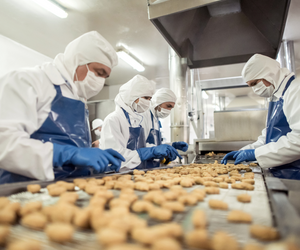
Professor Christopher Elliott, Director of the Institute for Global Food Security at Queen’s University Belfast, was asked by the Secretaries of State for Health and the Department for Environment, Food and Rural Affairs (DEFRA) to conduct a review into the integrity and assurance of food supply networks
2014

Elliott Review into the integrity and assurance of food supply networks: final report, published
2015
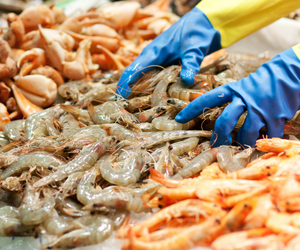
The Food Industry Intelligence Network (fiin) was established by 21 by industry technical leaders, in response to the recommendation of the ‘Elliott Review’, for industry to create a ‘safe haven’ to collect, collate, analyse and disseminate information and intelligence to protect the interests of the consumer.
2017
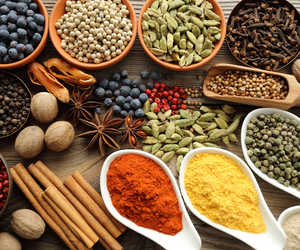
The fiin Technical Steering Group (TSG) was established as a group of members who use their cross-category expertise, to drive the network forward
2019
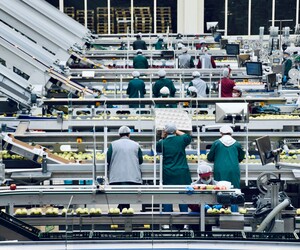
Information sharing agreement with food industry regulators National Food Crime Unit (NFCU), FSA Ireland (FSAI) and Food Standards Scotland (FSS) commenced
2022-2023
fiin data platforms launched and significantly enhanced to support further member analysis and insight
2024-25

fiin's analytical capabilities significantly enhanced, with new tools enabling members to interrogate the dataset and surface intelligence by commodity, geography, or fraud type
2025

fiin marks its tenth year, with over 70 members, more than 50,000 tests pooled annually, and the launch of the SME Hub, a free resource to support smaller businesses in combating food fraud
The Board
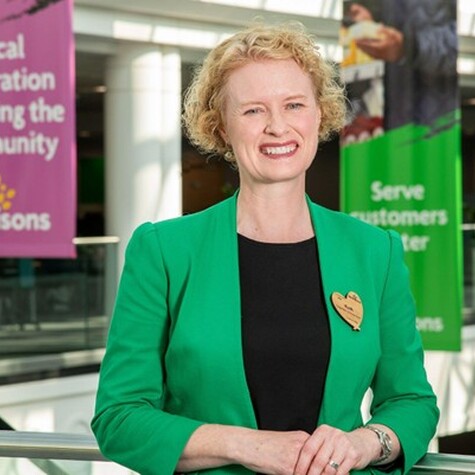
Ruth McDonald

Emmanuelle Lerges
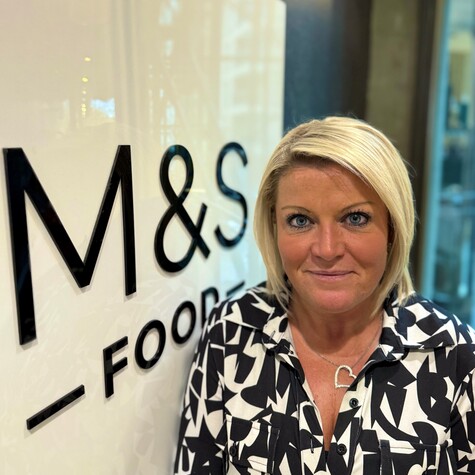
Debbie Barnes
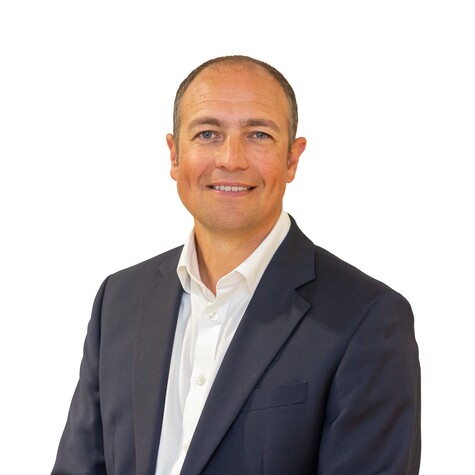
Keston Williams

Dean Holroyd

Professor Saskia Van Ruth